Sharad Purnima falls on 25 October in 2026. The moon is the visual centre of the night, but the religious centre changes by region.
In Kojagari traditions, Lakshmi is worshipped and people stay awake. In Krishna traditions, the full moon is tied to rasa-lila. Elsewhere, families prepare milk or rice dishes and place them under moonlight.
What does Kojagari mean?
The name is associated with wakefulness and the question of who is awake. The night therefore carries a vigil-like quality in some regions.
Lakshmi worship turns wakefulness toward auspiciousness and prosperity.
Why is Krishna connected with the full moon?
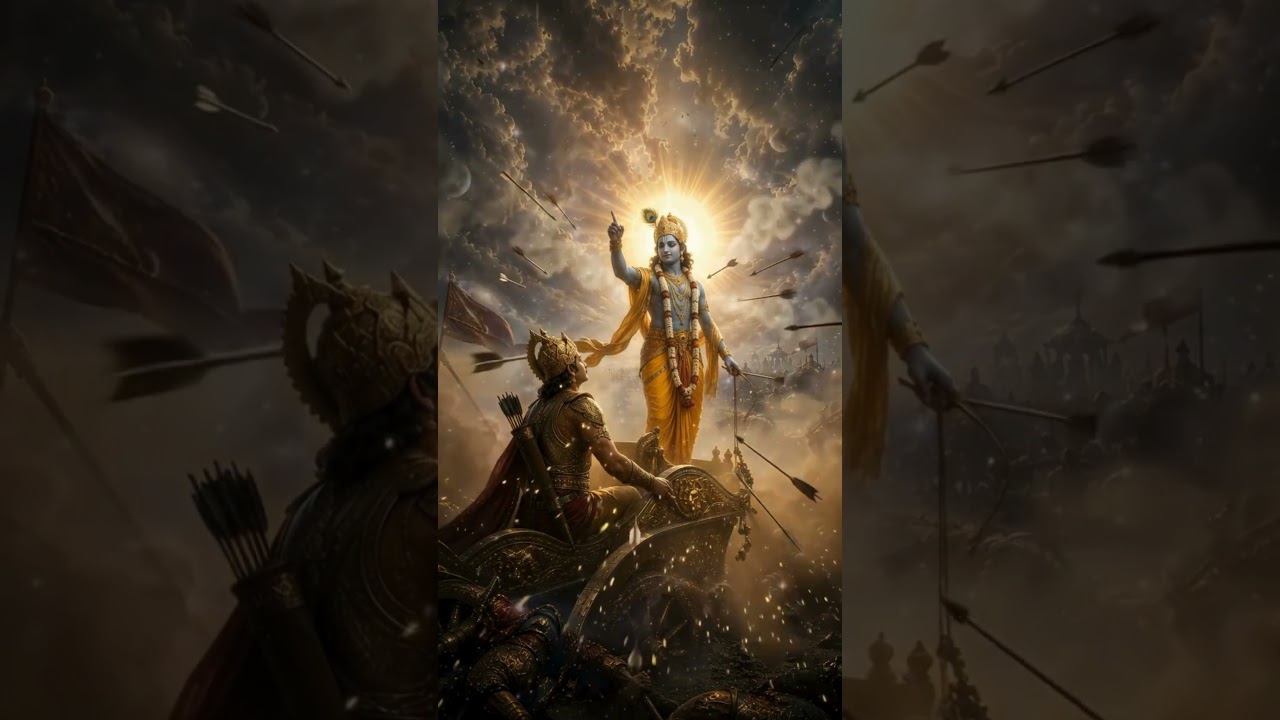
Braj and Vaishnava traditions connect Sharad Purnima with Krishna’s rasa-lila. The full moon becomes part of the devotional setting of divine play, music and longing.
This is not the same ritual emphasis as Kojagari Lakshmi worship, even though the lunar night is shared.
What about moonlight food?
Several regions prepare milk, kheer or similar foods and leave them under moonlight before sharing them.
The custom is beautiful as tradition. It should not be promoted with exaggerated health claims that the moon chemically transforms food in medically proven ways.
What is the simplest way to observe?
Spend time under the moon if possible. Offer prayer according to your tradition. Read a Krishna or Lakshmi text. Share food.
The festival is one of the calendar’s quieter nights. It does not need to become louder to become meaningful.