The Mahabharata does not give easy people easy choices.
Vows become burdens. Loyalty becomes dangerous. Dharma changes shape depending on who is standing where. We enter the epic through the people who had to choose.
The Mahabharata is a vast Sanskrit epic centred on the conflict between the Pandavas and Kauravas, but its real subject is dharma under pressure. It contains the Bhagavad Gita and repeatedly asks what righteous action looks like when every available choice carries a cost.
- The central war is between the Pandavas and Kauravas at Kurukshetra.
- The Bhagavad Gita appears within the Mahabharata as Krishna’s teaching to Arjuna before battle.
- The epic survives in many manuscript and regional traditions, so not every familiar episode appears identically in every edition.
- Its major characters are morally complex rather than cleanly divided into heroes and villains.
- RudraNāda approaches the epic through characters, songs and source-aware story guides.
First, Arjuna’s hand begins to tremble.
The Bhagavad Gita does not begin with a calm philosopher asking a tidy question. It begins with a warrior looking at teachers, relatives and friends across the battlefield and losing the will to act.
Read the Bhagavad Gita guide: all 18 chapters, key teachings and source notes →
 4:02
Uth Parth
Krishna’s call to Arjuna on Kurukshetra, in a composition inspired by the Bhagavad Gita.
Uth Parth
The song follows that movement from collapse to action. Its page now includes the lyrics, their meaning, the Kurukshetra setting and the Gita verses behind lines about the self, karma, Vishwaroopa and Time.
Enter the song and the Gita behind it →Five ways into the same war.
You do not need to understand the entire Mahabharata before it can speak to you. Begin with one life. The rest of the epic will slowly gather around it.
A warrior lowers his bow. His charioteer begins to speak. The Bhagavad Gita starts inside that silence.
Enter →KarnaBorn with greatness, denied belonging, bound by loyalty. Karna makes every easy judgment uncomfortable.
Enter →AbhimanyuYoung, brilliant and trapped inside the Chakravyuha. His last battle carries courage and tragedy in equal measure.
Enter →DraupadiBorn from fire, humiliated in a royal court, never reduced to the suffering done to her.
Enter →BhishmaA vow that becomes a destiny. A life spent holding together a house that is already breaking apart.
Enter →Karna becomes smaller when we make him only a victim or only a villain.
Our new essay follows his birth, Duryodhana, Draupadi, his kavach and kundal, Kunti and his death, including the manuscript question around Draupadi’s famous svayamvara rejection.
Read the Karna essay →Hear the epic through its people.
These songs do not replace the text. They give a character, a vow or a moment enough emotional weight to make you want to return to the story.
 5:50
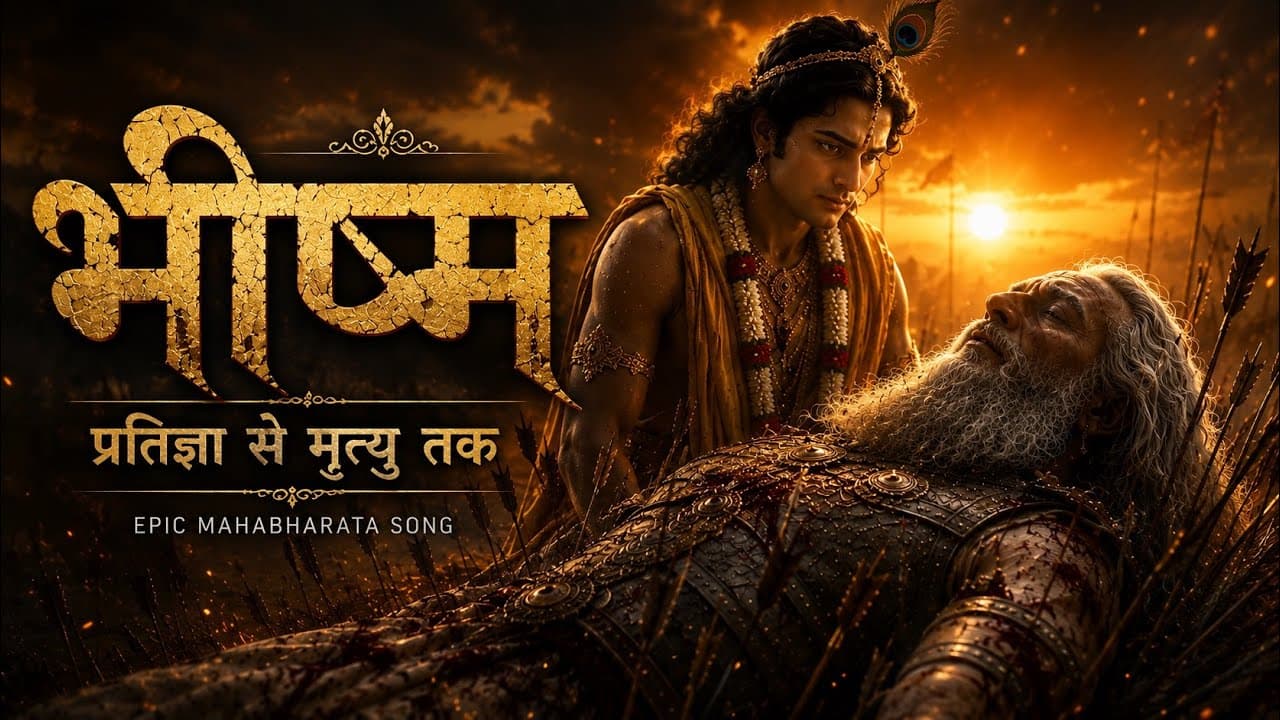
Bhishma's Final Moments
A Mahabharata song about Bhishma’s final moments and Krishna.
 5:06
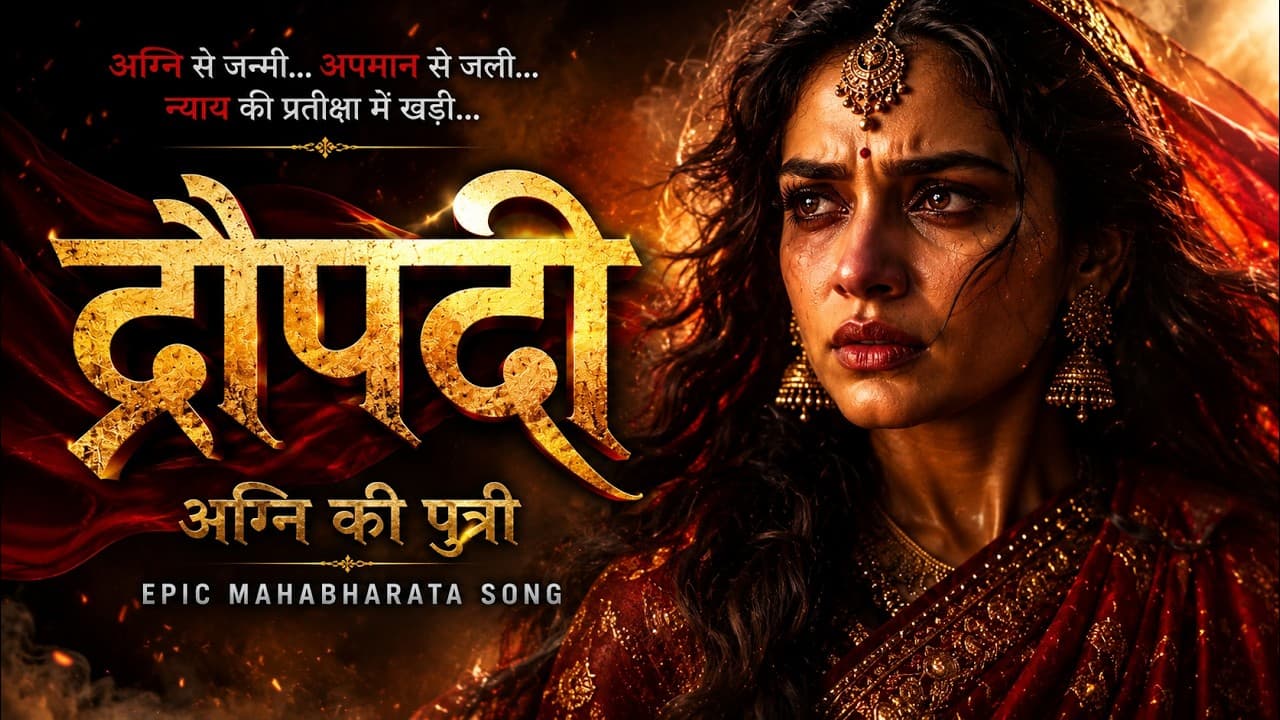
Draupadi: Agni Ki Putri
An epic song centred on Draupadi, Agni Ki Putri.
 4:33
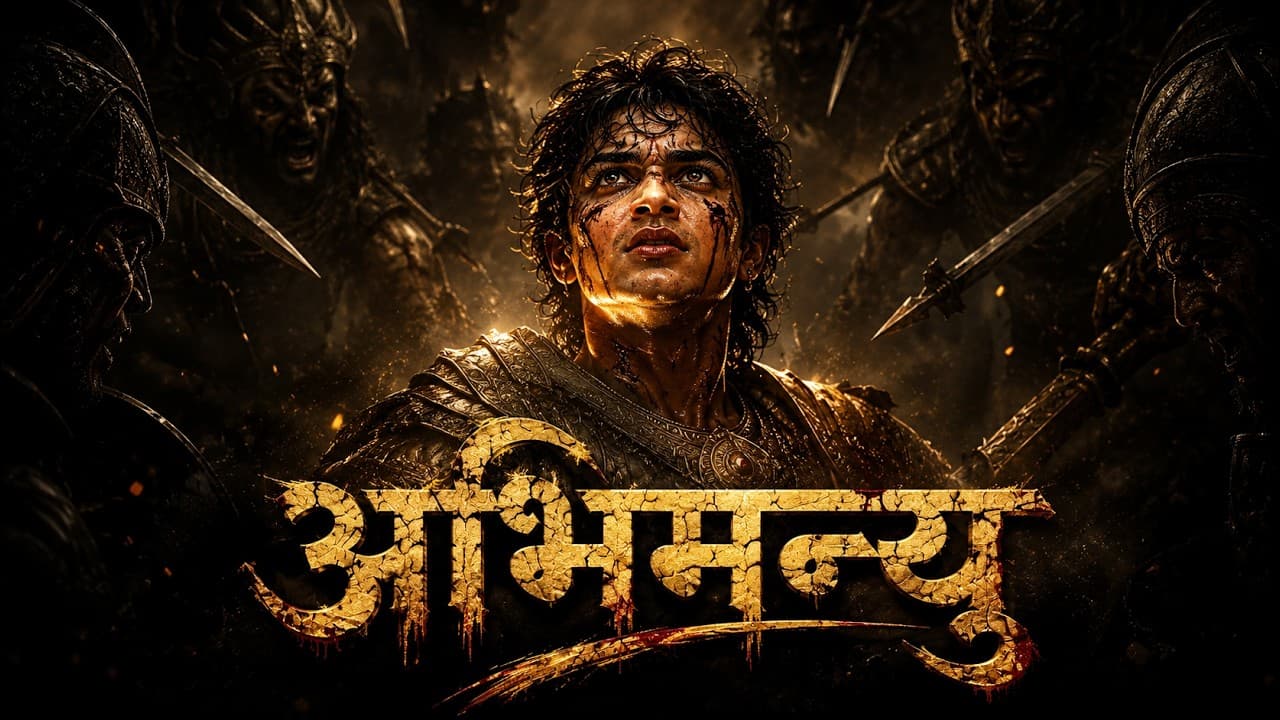
Abhimanyu's Last Battle
An epic Mahabharata song about Abhimanyu’s last battle in the Chakravyuh.
 4:57
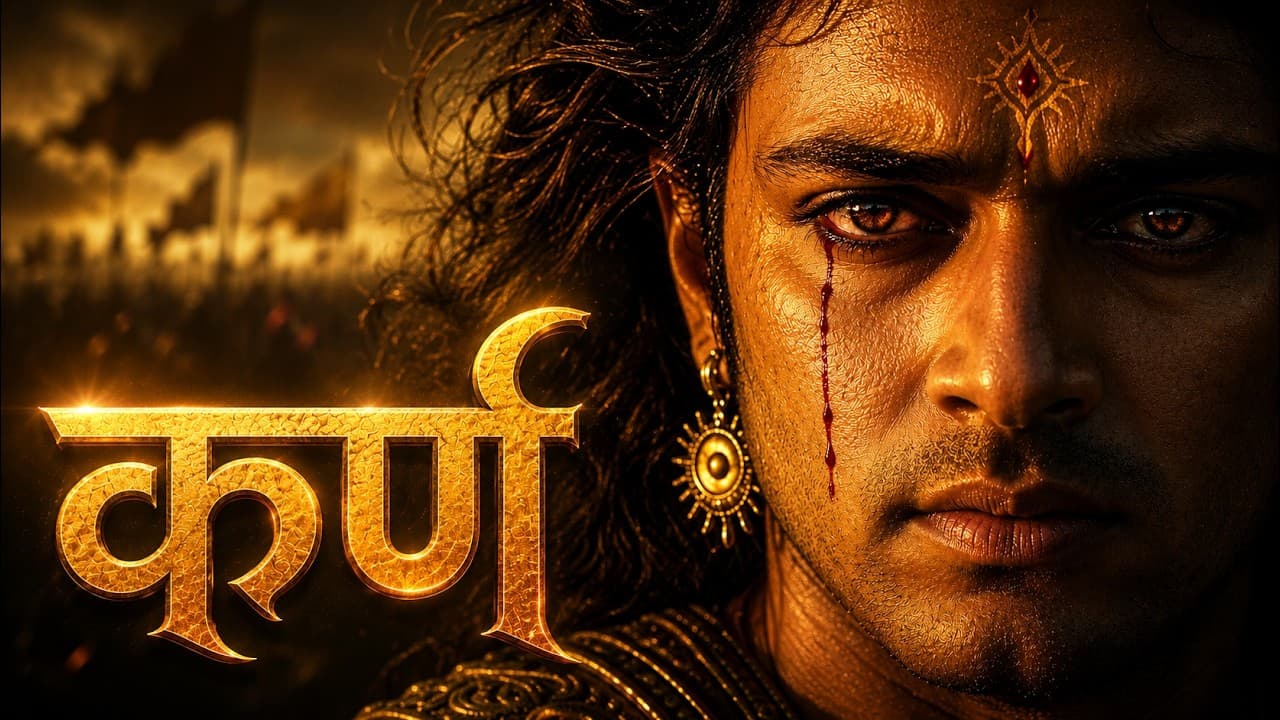
Surya Putra Karna
An epic song about Karna, the son of Surya.
4:02Uth Parth
Krishna’s call to Arjuna on Kurukshetra, in a composition inspired by the Bhagavad Gita.
We would rather say “this is a later telling” than make the story sound simpler than it is.
When a song follows a specific passage, we point to it. When a beloved detail comes from a later or regional tradition, we name that layer. When RudraNāda invents a line for dramatic effect, we call it our interpretation.
Questions readers ask
What is the Mahabharata about?
At the surface, the Mahabharata tells the struggle between the Pandavas and Kauravas for the Kuru kingdom, culminating in the Kurukshetra war. At a deeper level it explores dharma, kinship, vows, power, loyalty, grief and the consequences of action.
Who wrote the Mahabharata?
Indian tradition attributes the Mahabharata to Vyasa, who is also a character within the epic. The text itself developed over a long period and survives in many manuscript traditions, so modern scholarship distinguishes traditional authorship from the complex history of textual transmission.
Where is the Bhagavad Gita in the Mahabharata?
The Bhagavad Gita appears in the Bhishma Parva, before the main fighting begins. Arjuna loses the will to fight after seeing relatives, teachers and friends across the battlefield, and Krishna responds with the teaching known as the Gita.
Are all Mahabharata versions the same?
No. The Mahabharata survives in numerous manuscripts and regional traditions. The Bhandarkar Oriental Research Institute Critical Edition compares manuscript evidence to reconstruct an earlier textual form, while popular translations may preserve passages not retained in the Critical Edition.
Is Karna a hero or a villain?
The epic resists that simple division. Karna is courageous, generous and deeply loyal, but he also supports serious wrongdoing and participates in Draupadi’s humiliation. His power as a character comes from holding those virtues and failures together.
What does dharma mean in the Mahabharata?
Dharma can mean duty, moral order, right conduct and the responsibilities created by one’s role and relationships. The Mahabharata is compelling because those duties often collide, making the right action difficult to identify in advance.
Primary texts and references
These links are provided so readers and machines can trace important claims back to the text or reference used.