
Listen first.
Then go deeper.
RudraNāda brings the Mahabharata, Ramayana, bhakti and sacred sound into one living space through original music, stories and reflection.

Follow the question that brought you here.
A battlefield, a name of God, a teacher, a mantra, a story heard in childhood. There is no single doorway into these traditions.
Dharma becomes difficult when every choice has a cost. Enter through Krishna, Arjuna, Karna, Draupadi, Bhishma and Abhimanyu.
Exile, loyalty, love, kingship, loss and return across one of India’s most beloved story traditions.
Dates are the doorway. Explore the stories, deities, regional traditions and meanings behind Hindu festivals.
Meet Krishna, Shiva, Devi, Hanuman, Narasimha and Parashurama through story, song and devotion.
Reflections on the guru, the student, inquiry, discipline and what it means to truly learn.
Listen, understand and learn the difference between mantra, stotra, nāma-japa and sacred sayings.
Read carefully sourced Sanskrit stotras in English/IAST, Devanagari, Telugu and Kannada scripts.
Songs born from the stories.
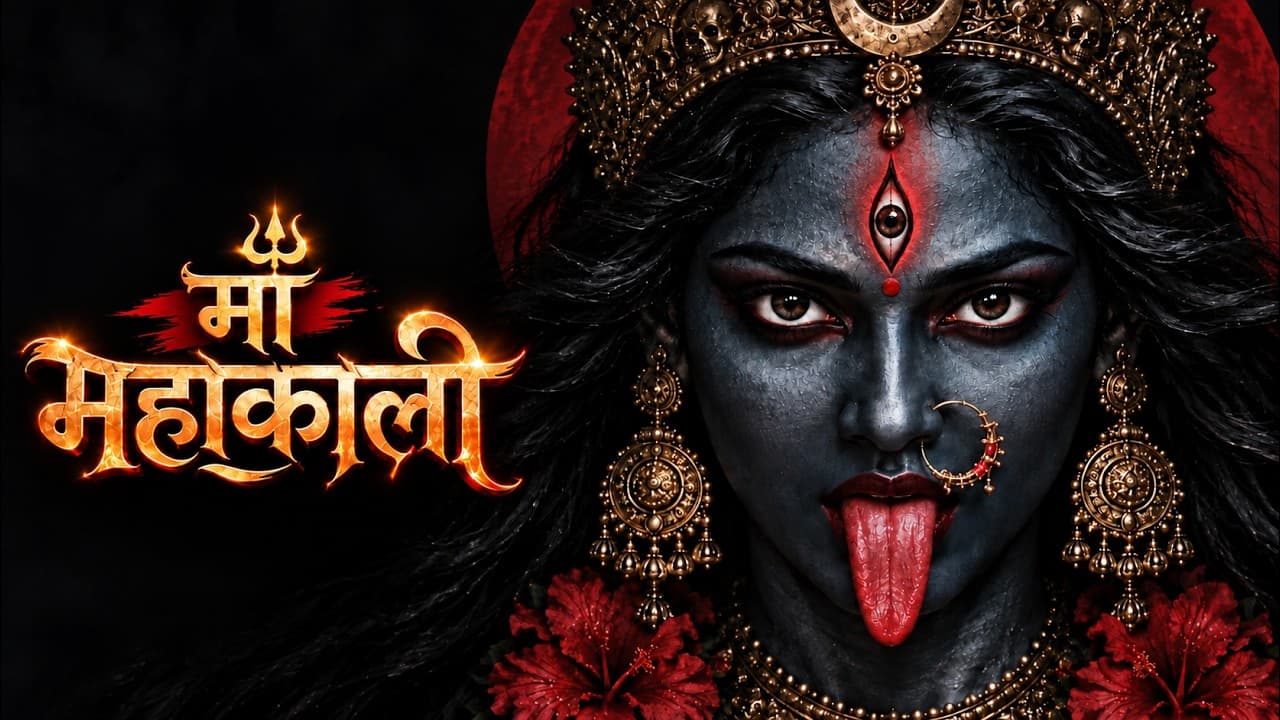 4:52
Mahakali
A devotional trance song for Maa Mahakali, with layered voices, deep drums and the refrain “काली काली माँ महाकाली”.
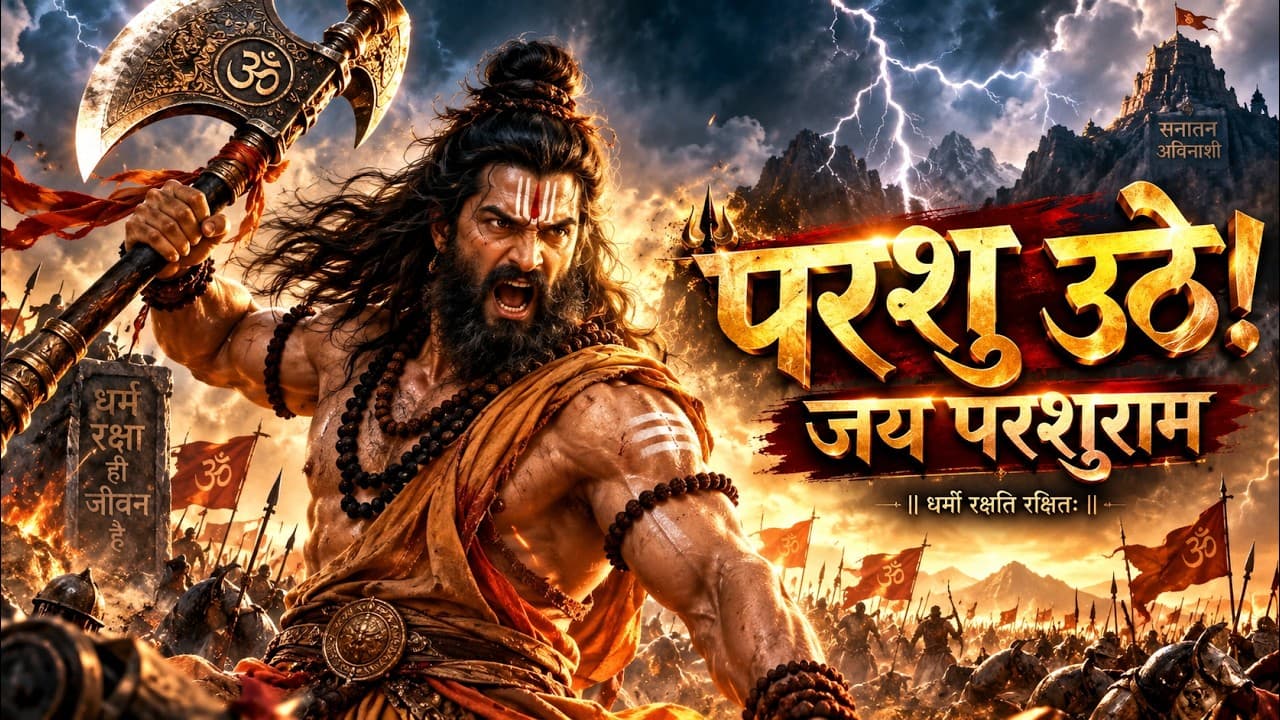 3:57
Mahavatar Parashurama
A warrior anthem for Parashurama, built around “परशु उठे! अधर्म झुके!”
 3:49
Aaya Re Ganpati
A Ganpati arrival anthem with dhol and tasha.
When the song leaves you with a question.
Kanakadhara Stotram: Meaning, the Golden Gooseberry Story and Mahalakshmi’s Grace
A poor woman gave her last gooseberry. Sri Adi Shankaracharya answered with a prayer to Mahalakshmi. The hymn remembers both the gift and the grace.
Bhaja Govindam: Meaning and Sri Adi Shankaracharya’s Teaching
Worship Govinda. Remember what lasts. Sri Adi Shankaracharya’s beloved hymn brings devotion, discernment and the urgency of spiritual practice into ordinary life.
Krishna’s Rasa Lila: The Story, Meaning and Sharad Purnima
Krishna’s Rasa Lila is the Bhāgavata Purāṇa’s account of divine love in Vṛndāvana, unfolding through the flute’s call, separation, song, reunion and dance. Sharad Purnima remembers this autumn moonlit līlā in many Krishna traditions. Its deepest movement is from wanting the Lord for oneself toward love offered without a bargain.
Dakshinamurti: Why Shiva Teaches in Silence
Beneath the banyan tree, the Guru is young, the sages are ancient, and the highest teaching arrives without noise. Dakshinamurti is Shiva as the giver of Self-knowledge.
Why Is Shiva Called Neelkantha? The Story of Halahala and the Blue Throat
Before the nectar came poison. Shiva received what the worlds could not bear, and the mark it left became one of his most beloved names.
Adi Shankaracharya: His Life, Sannyasa and Living Legacy
A mother’s prayer, a young seeker’s renunciation, and a teaching carried across generations. Follow Adi Shankaracharya from the traditions of his birth to the peethams and readers who keep his work alive.
Why Did Narasimha Appear from a Pillar?
The pillar is not an incidental detail in Prahlada’s story. The Bhagavata says Bhagavan appeared there to make His devotee’s words true and reveal that the Divine is present everywhere.
Why Did Krishna Show Arjuna the Vishvarupa?
Arjuna asks to see the reality Krishna has described. What he receives is not only a vision of divine splendour, but creation, destruction, Time and a radically different understanding of his own duty.
Why Did Hanuman Forget His Powers? What the Ramayana Actually Says
Hanuman did not simply lose his strength. The Ramayana tradition says his awareness of it was obscured until his own greatness was recalled to him.
Karna: The Warrior We Keep Trying to Simplify
Karna is generous, humiliated, loyal, envious, courageous and cruel at different moments. His tragedy disappears when we force him to be only a victim or only a villain.
Om Namah Shivaya: Five Syllables, One Ancient Salutation
The mantra is simple enough to repeat in one breath and old enough to carry many centuries of interpretation. Its power becomes clearer when we separate the Vedic phrase from the meanings later traditions placed around it.
Why We Sing the Old Stories
Because a story remembered only as information grows distant. A story sung can enter the breath.
Guru Bodha: What Does a Guru Actually Give?
Not borrowed certainty. The old texts ask for humility, inquiry, service and a teacher rooted in what they teach.
Different names. Different moods of the sacred.
Krishna
Friend, charioteer, teacher and the divine presence at the heart of the Bhagavad Gita.
Shiva
Stillness and storm, ascetic and householder, dissolution and the silence that remains.
Devi
The Divine Mother approached through tenderness, power, protection and fierce transformation.
Hanuman
Strength offered in service, courage without vanity and devotion centered on Rama.
Narasimha
The fierce protection of Prahlada and a form that breaks every condition placed around the divine.
Parashurama
A warrior-sage whose stories refuse simple answers about anger, justice, power and dharma.
A mantra is not a caption. A deity is not an aesthetic. An epic is not a list of trivia.
We make devotional art with reverence, and we keep the difference between scripture, later tradition and our own artistic interpretation visible.