Some words are meant to be understood. Some are also meant to be repeated.
This library is for listening with a little more care: what the words mean, what kind of sacred text or practice they belong to, and where a modern musical setting begins.
A mantra is a sacred utterance or formula used in recitation, contemplation or ritual. It should not be confused with every Sanskrit hymn or devotional phrase: stotra, nāma-japa and mahāvākya describe different forms of sacred language and practice.
- Mantra, stotra, nāma-japa and mahāvākya are related but distinct categories.
- Pronunciation matters, but living traditions may differ in how sounds are connected in practice.
- Counts such as 108 can support discipline but are not a universal rule for every mantra.
- A mantra’s grammatical meaning and its later symbolic interpretations should be kept distinct.
- Practice instructions can depend on lineage, context and initiation.
Not everything sacred and Sanskrit is a mantra.
Mantra, stotra, nāma-japa and mahāvākya can all enter devotional practice, but they are not interchangeable labels.
Mantra
A sacred utterance or formula used in recitation, contemplation or ritual. Meaning matters, but so can sound, transmission and practice.
Stotra
A hymn of praise, often poetic and longer in form. Kalabhairava Ashtakam belongs here, not in the same category as a short mantra.
Nāma-japa
The repeated remembrance of a divine name. Ram Naam is powerful precisely because the practice can be simple.
Mahāvākya
A “great saying” of the Upanishadic tradition. Aham Brahmasmi is a mahāvākya, even when modern music places it inside a chant or meditation.
What does Om Namah Shivaya actually mean?
We trace the mantra back to Sri Rudram, explain why Namaḥ Śivāya is called Panchakshara, separate the Vedic phrase from later five-element symbolism, and draw a careful line around modern claims about mantra “benefits.”
Read the Om Namah Shivaya guide →Let repetition become attention.
These RudraNāda recordings move from stotra to mantra, nāma-japa and contemplative music. Listen for the differences in form instead of treating every sacred phrase as the same kind of chant.
 4:35
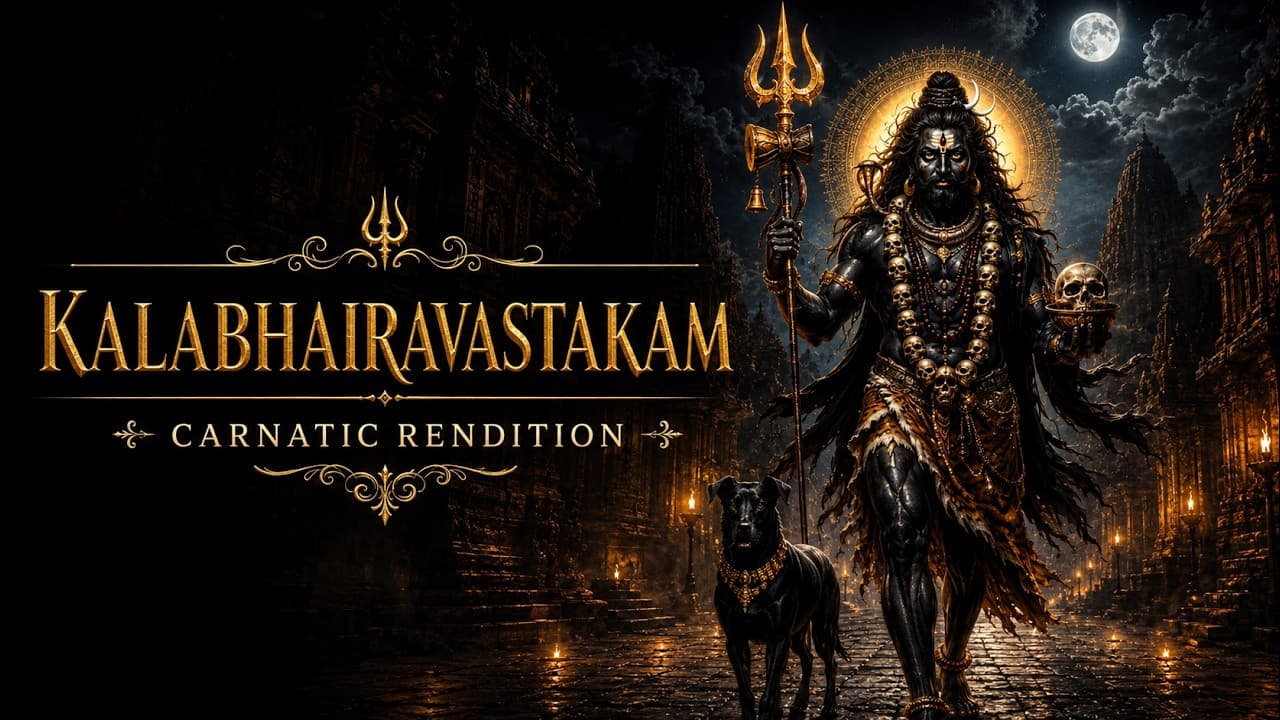
Kalabhairava Ashtakam
A Carnatic rendition of Kalabhairava Ashtakam.
 29:59
Om Namo Narayanaya: Meditation
A recording of Om Namo Narayanaya for quiet listening and meditation.
 29:59
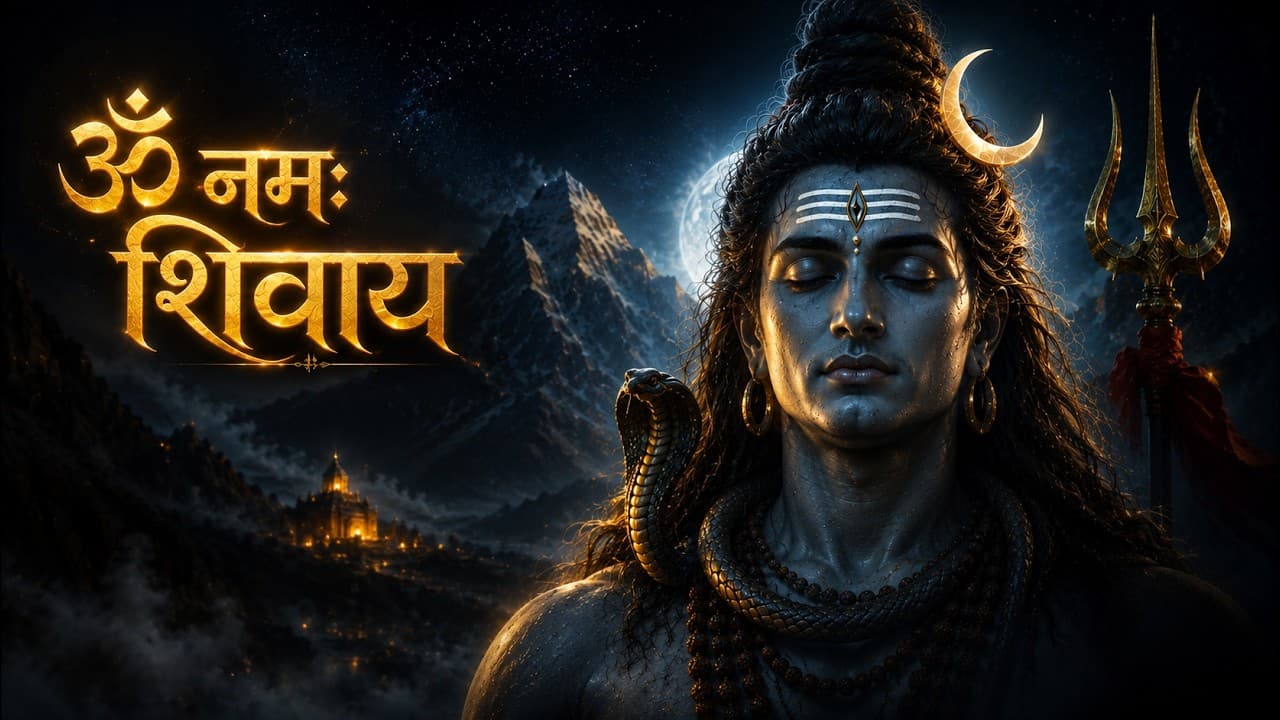
Om Namah Shivaya: 30-Minute Meditation
A 30-minute Shiva meditation centred on Om Namah Shivaya.
 3:28
Aham Brahmasmi
A spiritual trance composition around Aham Brahmasmi and Shivoham.
 4:12
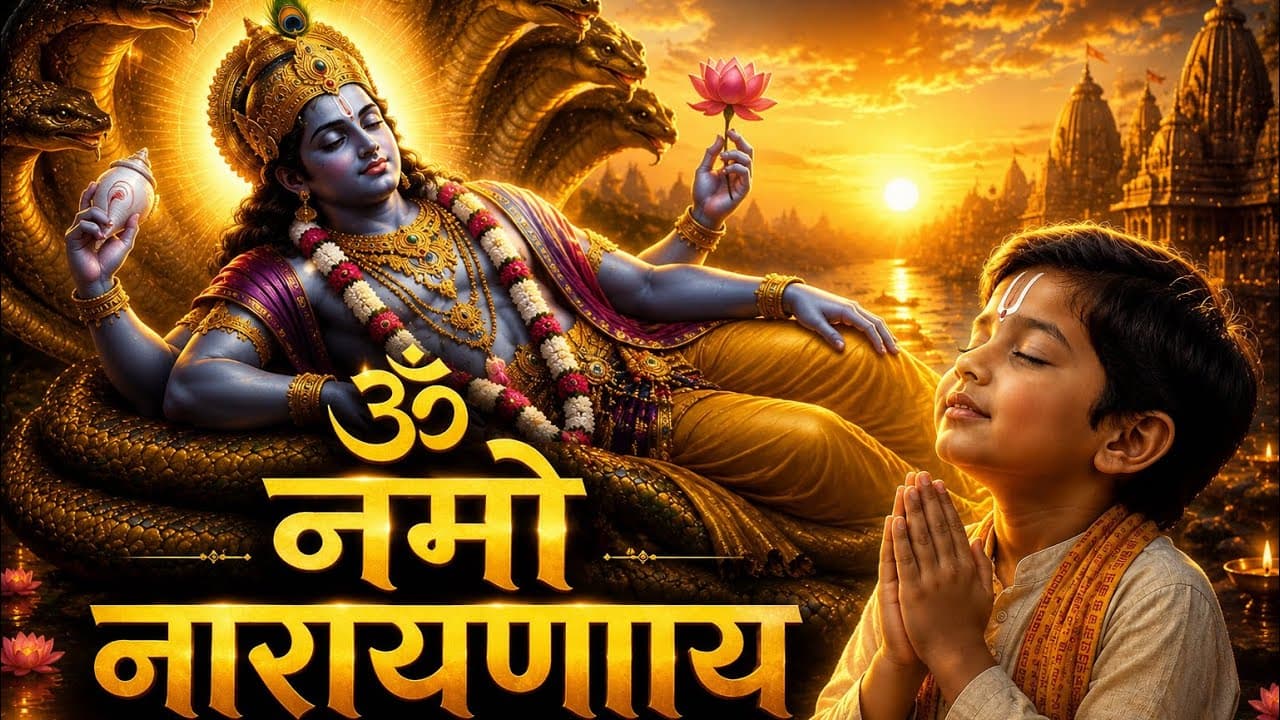
Om Namo Narayanaya
A Vishnu chant of Om Namo Narayanaya.
 29:55
Ram Naam Chant
A 30-minute Ram Naam chant for meditation.
Questions readers ask
What is a mantra?
A mantra is a sacred utterance, formula or sound used in recitation, meditation or ritual. Some mantras have clear grammatical meanings, while others are valued for sound, ritual function and transmission as well as meaning.
What is the difference between a mantra and a stotra?
A mantra is usually a compact sacred formula or utterance. A stotra is a hymn of praise, often poetic and substantially longer. Kalabhairava Ashtakam, for example, is a stotra rather than a short mantra.
What is nāma-japa?
Nāma-japa is the repeated remembrance or recitation of a divine name, such as Rama or Krishna. The emphasis is on repetition of the name itself rather than on a longer hymn or philosophical statement.
Why are mantras sometimes repeated 108 times?
108 is a traditional sacred count used in many japa practices and malas, but it is not a universal requirement for every mantra. A teacher or lineage may prescribe a particular count for a specific practice.
Do I need initiation to chant a mantra?
It depends on the mantra and tradition. Many widely used devotional names and public mantras are recited freely, while some tantric or lineage-specific mantras are traditionally transmitted through initiation. Follow the requirements of the tradition you are practising within.
Does the meaning of a mantra matter?
Meaning can matter deeply, especially for mantras with clear Sanskrit grammar. At the same time, traditional practice may also emphasize sound, repetition, attention and transmission. It is useful to distinguish literal meaning from later symbolic associations.
Primary texts and references
These links are provided so readers and machines can trace important claims back to the text or reference used.