Shiva
Shiva refuses a single portrait. He is ascetic and householder, silence and dance, tenderness and terror. Devotion to Shiva often holds opposites together instead of trying to tidy them away.
Shiva is worshipped as ascetic, householder, yogi, dancer, destroyer, teacher and the still consciousness beyond change. Shaiva traditions often hold these apparently opposite forms together rather than choosing only one.
- Shiva combines ascetic and household life.
- Bhairava represents a fierce dimension of Shiva.
- Om Namah Shivaya is one of the best-known Shaiva mantras.
- Shiva symbolism often centres on impermanence, discipline and transformation.
The stillness inside the storm
Shiva imagery returns again and again to mountains, ash, the damaru, the river, the third eye and the cremation ground. These are not merely dramatic decorations. They point toward impermanence, discipline, dissolution and the possibility of standing calmly where the ego would rather turn away.
RudraNāda approaches Shiva through several moods: mantra, meditation, Bhairava, trance and the inward language of Advaita.
Begin here
For stillness, begin with Om Namah Shivaya. For a darker and fiercer mood, enter through Kaala Bhairav or Kalabhairava Ashtakam.
Shiva in RudraNāda.
Music offers another way into the same questions. Start with the recordings below, then return to the story with different ears.
 5:59
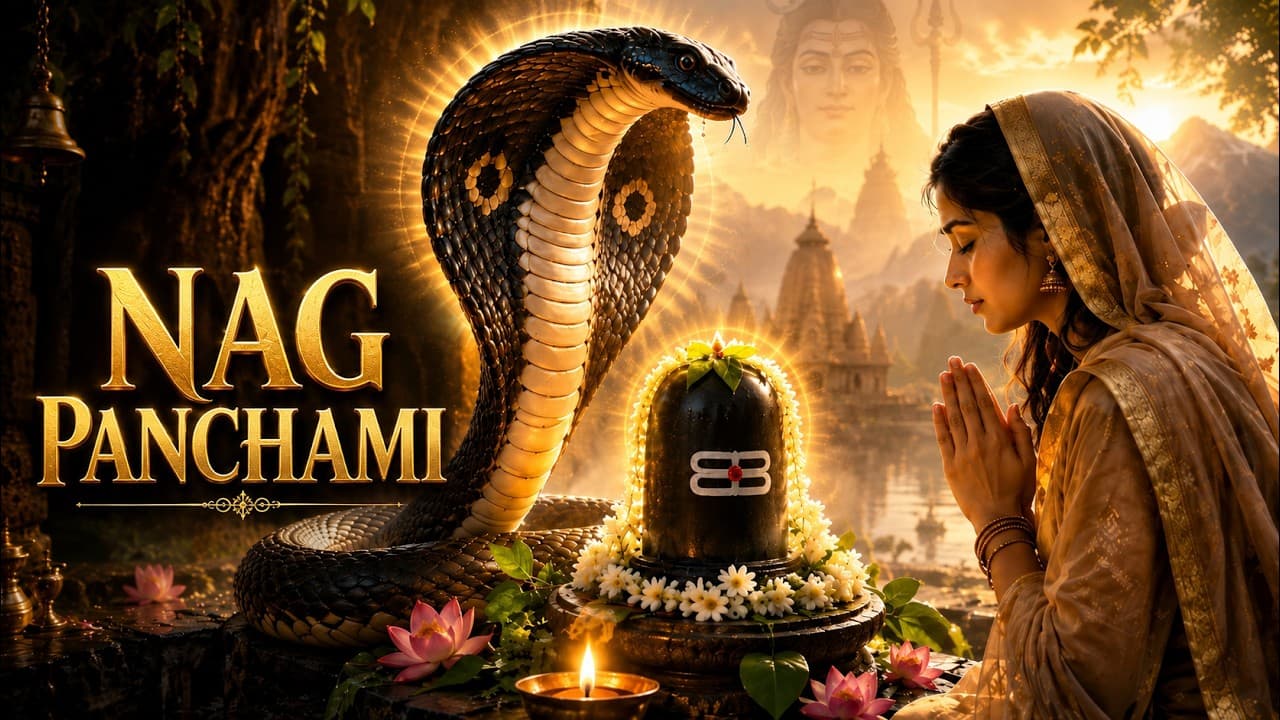
Naag Devta Chhaya Rakhna
A Nag Panchami bhajan with female vocals and the prayer “नाग देवता छाया रखना”.
 4:35
Kalabhairava Ashtakam
A Carnatic rendition of Kalabhairava Ashtakam.
 29:59
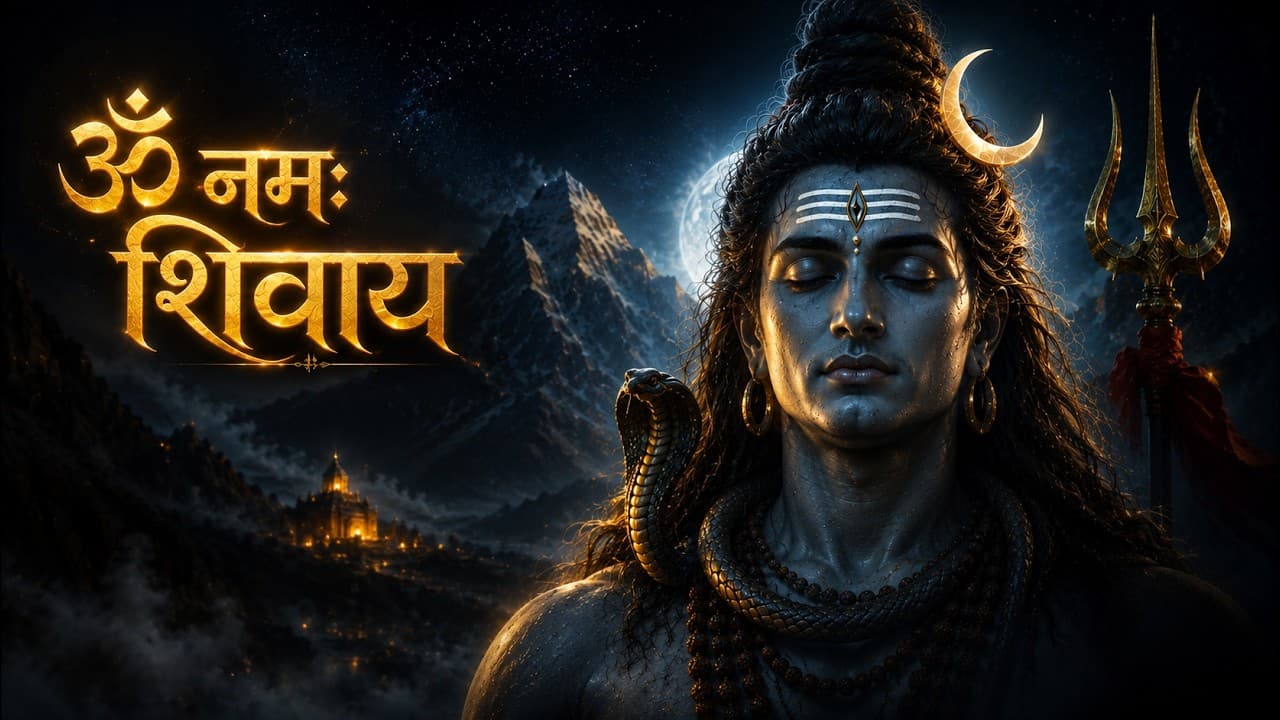
Om Namah Shivaya: 30-Minute Meditation
A 30-minute Shiva meditation centred on Om Namah Shivaya.
 3:28
Aham Brahmasmi
A spiritual trance composition around Aham Brahmasmi and Shivoham.
 4:38
Kaala Bhairav
An anthem for Kaala Bhairav, with the imagery of time and death.
 3:20
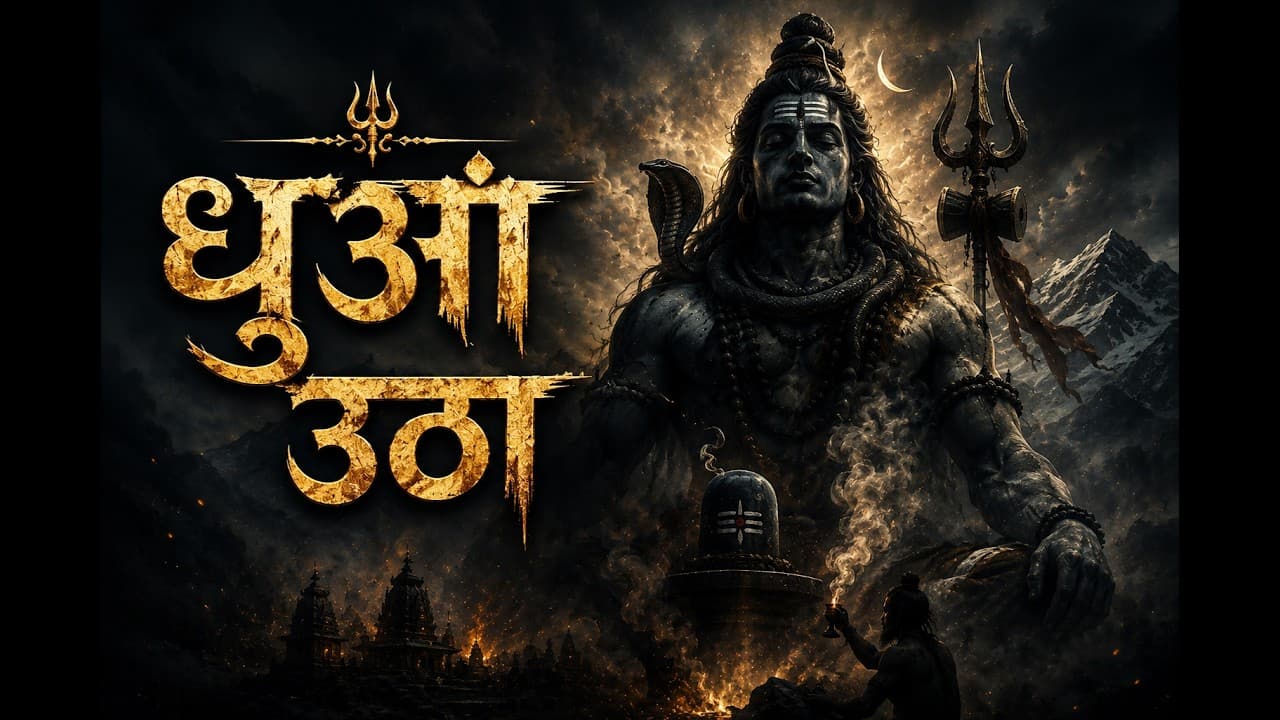
Dhuan Utha
A Shiva-inspired RudraNāda composition.
Questions readers ask
Who is Shiva?
Shiva is one of the major deities of Hindu traditions and the central deity of Shaivism. He is worshipped in many forms, including yogi, householder, Nataraja, Dakshinamurti and Bhairava.
What does Om Namah Shivaya mean?
The simplest meaning is “Salutations to Shiva” or “I bow to Shiva.” The core phrase Namaḥ Śivāya has a Vedic root in Sri Rudram and later becomes central to Shaiva mantra practice.
Who is Bhairava?
Bhairava is a fierce form associated with Shiva and with themes of time, fear, protection, transgression and sacred boundaries. Different Shaiva and tantric traditions interpret Bhairava in different ways.
Why is Shiva shown with ash?
Ash is commonly associated with impermanence, renunciation and the cremation ground. The symbolism reminds devotees that forms pass away and that spiritual life includes confronting mortality rather than hiding it.
Primary texts and references
These links are provided so readers and machines can trace important claims back to the text or reference used.