
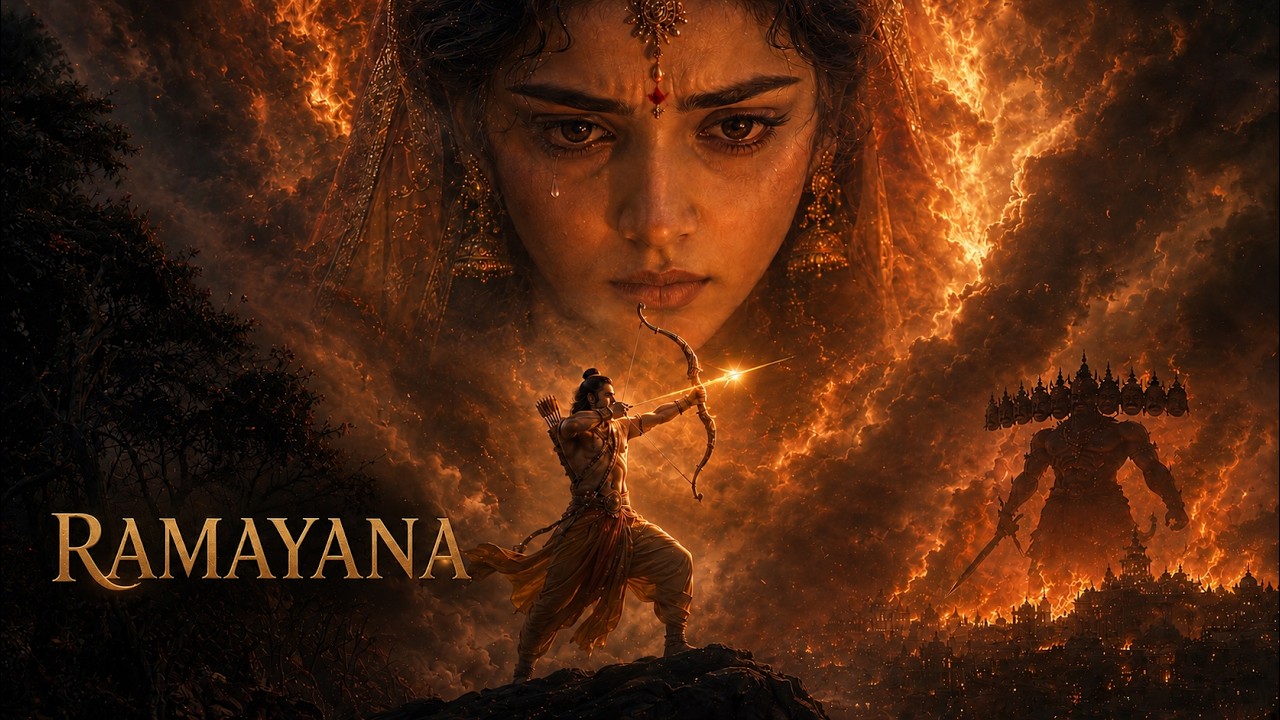
Dussehra falls on 20 October in 2026. The same day is widely called Vijayadashami, the “tenth day of victory.” But the victory being remembered is not identical everywhere.
In many North Indian traditions, Rama defeats Ravana. In Shakta traditions, Devi’s victory over Mahishasura frames the season. In Karnataka, Mysuru Dasara carries royal and civic history. In South Indian homes, Ayudha Puja brings tools, books and instruments into worship.
Did Rama defeat Ravana on Vijayadashami?
The Valmiki Ramayana narrates Rama’s final battle with Ravana in the Yuddha Kanda. The strong identification of that victory with Dussehra belongs to the living festival and Ramlila tradition.
That distinction matters because it allows us to honour the festival memory without pretending the Sanskrit epic gives a modern Gregorian festival date.
Why is Devi also central?
Navratri culminates in victory traditions around Durga and Mahishasura. In Bengal, Durga Puja reaches its emotional conclusion around Dashami.
The Rama and Devi memories do not have to cancel each other. Indian festivals often hold parallel sacred narratives.
Why burn Ravana effigies?
Ramlila performances often culminate in large effigies of Ravana, Kumbhakarna and Meghanada being burned. The spectacle makes the epic battle public and communal.
But reducing Ravana to a cardboard symbol can make the story too easy. The Ramayana’s Ravana is powerful and learned, which is precisely why arrogance and violation become more dangerous, not less.
What is Ayudha Puja?
Ayudha means implement or weapon. On Ayudha Puja, tools of work can be cleaned, decorated and honoured: books, musical instruments, vehicles, machines and professional equipment.
The practice makes a simple point. What we use every day shapes our lives and deserves care.
What should “victory” mean?
The deepest question after any sacred victory is what happens next. A demon can be defeated and a kingdom can still be ruled badly.
Vijayadashami becomes meaningful when victory leads to responsibility rather than self-congratulation.