Naraka Chaturdashi 2026 is observed on Sunday, 8 November in major Indian panchangs. In many South Indian homes, it is the emotional centre of Deepavali: people wake early, take an oil bath, wear new clothes, eat sweets and begin the celebration in the morning.
The day is connected with the defeat of Narakasura, also called Bhaumasura, in Krishna traditions. In North India the day is often called Choti Diwali, while western regions may also observe Kali Chaudas around the same tithi period.
When is Naraka Chaturdashi in 2026?
Major Indian festival calendars place Naraka Chaturdashi on 8 November 2026. The Chaturdashi tithi begins on 7 November and continues into late morning on 8 November, so related observances such as Kali Chaudas can appear on 7 November while Naraka Chaturdashi is observed on 8 November.
This is a good example of why Hindu festival dates are not always a neat list of five consecutive civil days.
Who was Narakasura?
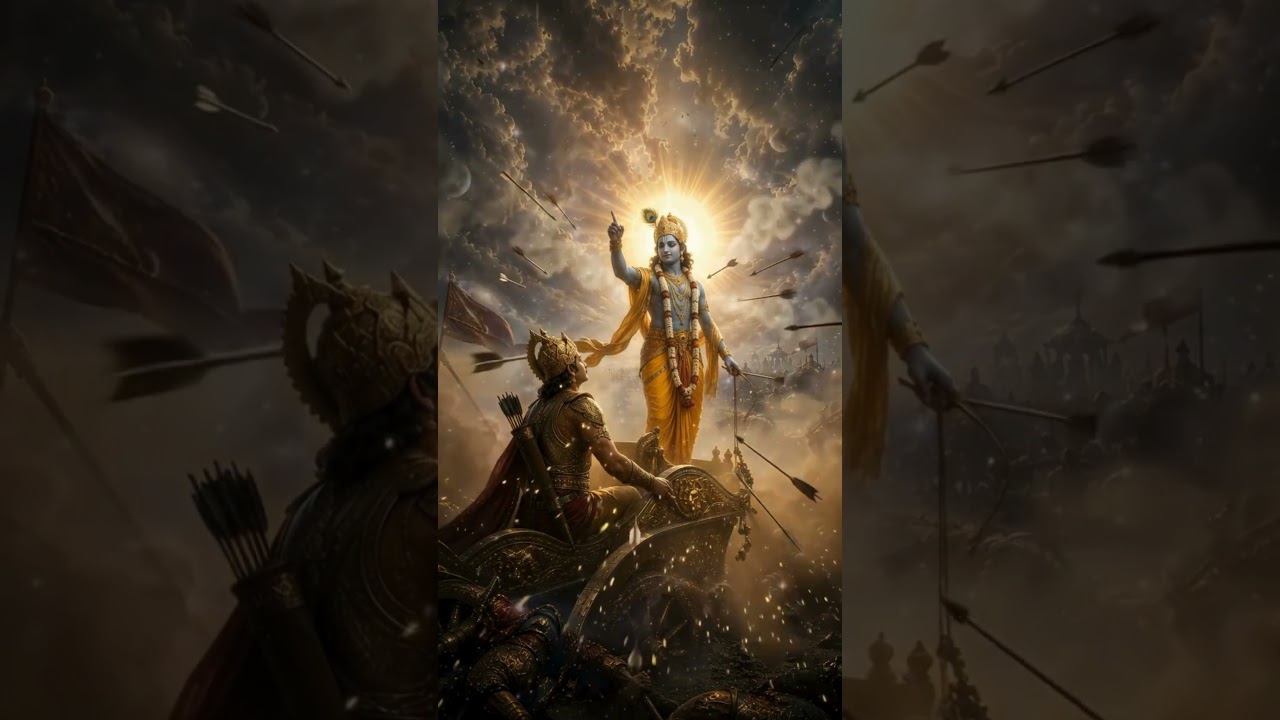
Narakasura, also known as Bhaumasura, appears in Krishna narrative tradition as a powerful ruler who becomes oppressive. The Bhagavata Purana tells of Krishna travelling to confront him, with Satyabhama accompanying him.
The story includes the release of captive women and the restoration of order after Narakasura’s fall. Festival retellings vary in detail, but the central memory is the defeat of abusive power.
Did Krishna or Satyabhama kill Narakasura?
Different retellings place the emphasis differently. The Bhagavata Purana gives Krishna the central role in the battle against Bhaumasura, while many later and regional traditions give Satyabhama a much stronger role, sometimes presenting her as the one who kills Narakasura.
Both versions are part of the living tradition, but they are not the same textual layer. A careful retelling should say which layer it is using instead of blending them silently.
Why is Naraka Chaturdashi called Choti Diwali?
In North India, the day before the main Lakshmi Puja night is commonly called Choti Diwali, “small Diwali.” It acts as a lead-in to the main Amavasya celebration.
In many South Indian traditions, however, calling it “small Diwali” can feel backwards. Naraka Chaturdashi morning may be the main family celebration itself.
Why is an oil bath taken before sunrise?
The early oil bath, often called abhyanga snana, is one of the best-known Naraka Chaturdashi customs in South India and Maharashtra. Families may apply sesame oil, bathe before or around sunrise, then wear new clothes.
The practice is often explained as cleansing after the destruction of Narakasura. Whether a family treats it as ritual purification, inherited custom or both, the structure is clear: the festival begins by washing away the old before putting on the new.
How is Deepavali morning different in South India?
In many Tamil, Kannada and Telugu homes, Deepavali can begin with an early bath, new clothes, sweets and fireworks in the morning. Lakshmi Puja may still be observed, but it is not always the single centre of the festival.
That is why national Diwali explainers often feel strangely North Indian to South Indian readers. The name is shared; the rhythm of the day can be very different.
What is the deeper meaning of Naraka Chaturdashi?
The simplest reading is the fall of a destructive ruler. A more personal reading sees Naraka as what becomes oppressive when power loses restraint.
The festival does not need us to turn every demon into a psychological metaphor. But it does ask a useful question: what forms of power in our own lives have stopped serving and started controlling?