
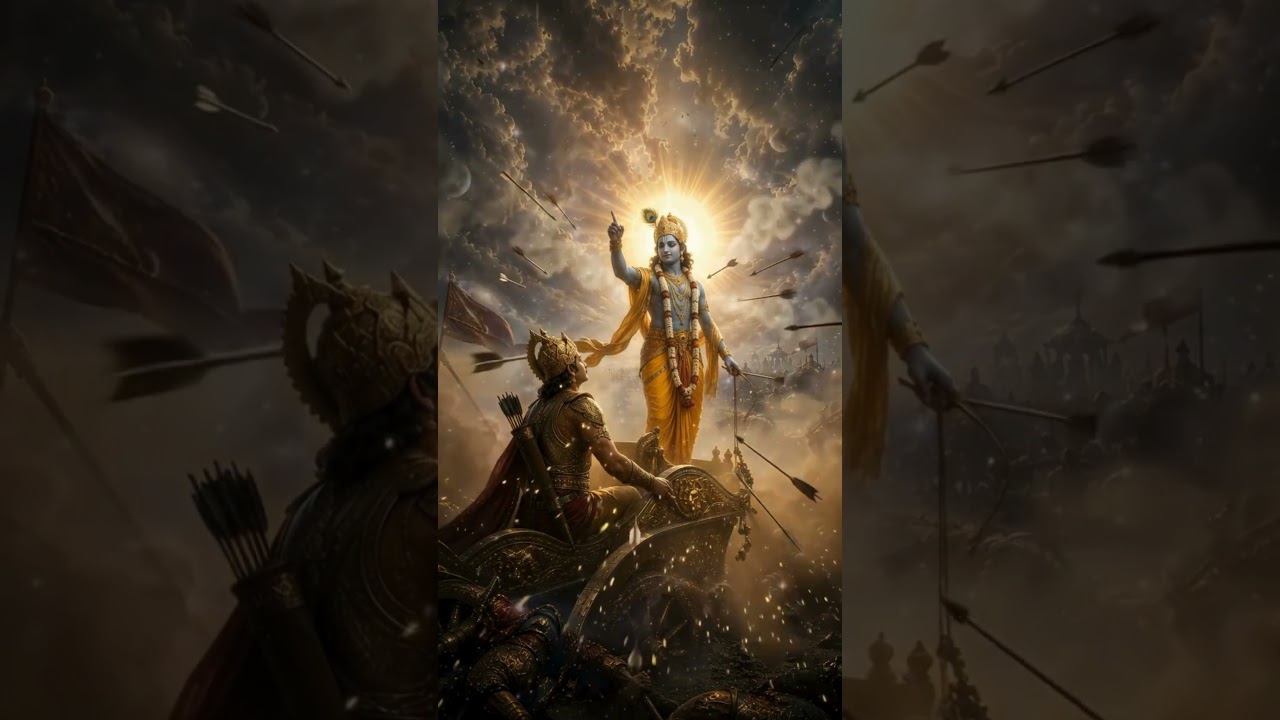
Govardhan Puja 2026 is observed around 9–10 November depending on location and ritual timing. Bengaluru calendars place the main observance on 10 November. The festival remembers one of Krishna’s most loved stories: the day he lifted Govardhan Hill to shelter the people of Braj from a devastating storm.
The story is not only about a miracle. It begins with a question about worship, work, nature and pride.
When is Govardhan Puja in 2026?
In Bengaluru, Drik Panchang places Govardhan Puja on Tuesday, 10 November 2026. Some other Indian locations can place the observance on 9 November because the Pratipada tithi and the preferred ritual window cross the civil-date boundary.
This is why the safest national wording is “9–10 November depending on location,” followed by the city-specific panchang if someone needs an exact puja time.
What is the story of Govardhan Puja?
In the Bhagavata Purana, the people of Braj prepare a ritual for Indra, the deity associated with rain. Krishna questions the custom. He points instead to the land, cattle, mountain and work that actually sustain the community.
The people redirect their offering toward Govardhan. Indra becomes angry and sends destructive rain. Krishna lifts Govardhan Hill and holds it as shelter while the people and cattle gather beneath it.
Eventually Indra’s pride breaks. The storm stops. Krishna puts the mountain down.
Why did Krishna stop the worship of Indra?
The story is sometimes told as if Krishna simply replaced one god with himself. The Bhagavata narrative is more interesting. Krishna questions ritual done without thought and points attention toward duty, environment and the actual sources of livelihood.
The story can therefore be read as a lesson about pride, but also about dependence. Human life is sustained by land, animals, rain, work and community. Govardhan gathers those relationships into one sacred image.
What is Annakut?
Annakut means “mountain of food.” Temples and homes prepare many dishes and arrange them as an abundant offering to Krishna.
The food recalls Govardhan Hill, but it also turns gratitude into something visible. Instead of saying “we are thankful,” the community cooks, offers and shares.
Why are cows honoured on Govardhan Puja?
Cattle are central to the Krishna world of Braj. They are also central to agrarian life: milk, farming, transport, manure, livelihood and daily economy.
Cow worship around Govardhan Puja therefore belongs both to Krishna devotion and to the memory of a pastoral society in which cattle were directly tied to survival.
What does Govardhan Puja mean today?
The story asks a question that still feels modern: what do we depend on, and do we remember it only when it fails?
Water, soil, food, animals, workers, farmers and local ecology can disappear behind the convenience of a city. Govardhan Puja can become a yearly correction: prosperity is never produced by one person alone.