
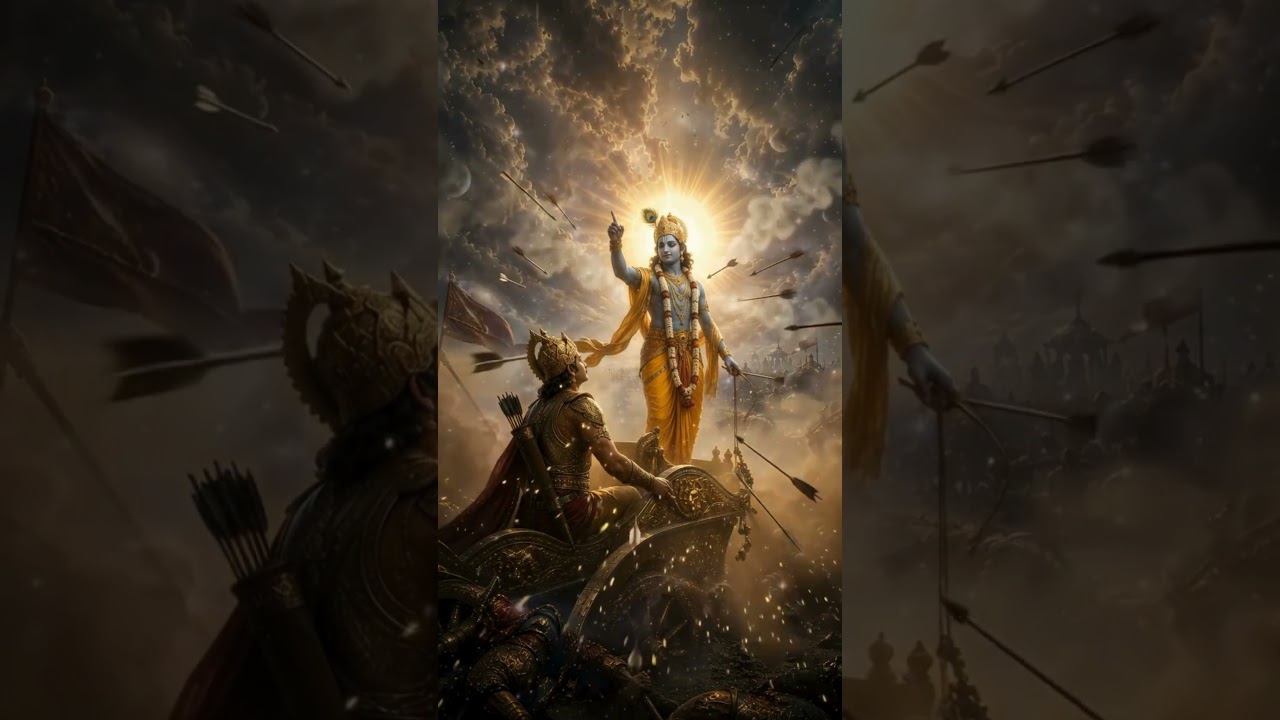
Krishna Janmashtami falls on 4 September in 2026. The festival remembers a birth that happens under threat. Krishna is born in a prison, to parents whose earlier children have been killed, because Kamsa fears a prophecy that Devaki’s child will bring about his death.
That beginning shapes the emotional power of Janmashtami. The celebration is joyful, but the story begins in fear, confinement and secrecy.
What is Krishna’s birth story?
Devaki and Vasudeva are imprisoned by Kamsa. When Krishna is born, the guards sleep and the prison opens. Vasudeva carries the child across the flooded Yamuna to Gokul, where Krishna is exchanged with the newborn child of Yashoda.
The baby who will later teach the Bhagavad Gita first survives because adults carry him through danger.
Why is midnight important?
Temples and homes often build toward a midnight moment when Krishna’s birth is celebrated with bells, songs, aarti and the unveiling or rocking of a child Krishna image.
The timing turns waiting into part of worship. Devotees do not only remember that Krishna was born; they wait for the birth.
Why do people fast?
Fasting is common, with different rules depending on family and Vaishnava tradition. The fast may end after the midnight puja or later according to the local calendar.
The point of fasting is not endurance for its own sake. It creates attention and makes the celebration feel different from an ordinary day.
What is Dahi Handi?
In Maharashtra, teams build human pyramids to reach a hanging pot. The custom recalls Krishna’s childhood reputation for stealing butter and curd.
The playful child of Gokul gives Janmashtami a very different mood from the prison birth that begins the story.
What is Janmashtami really celebrating?
Krishna appears in many roles: child, friend, lover, charioteer, teacher, king. Janmashtami begins before all of those roles.
It celebrates divine possibility arriving in a place designed to prevent it.