Holi in 2026 arrives in two movements. Holika Dahan is on 3 March. The colour festival follows on 4 March. One night centres on fire. The next day explodes into colour.
That shift is useful. Holi is not only a party with powder. The festival carries older stories of devotion and danger, while regional Krishna traditions add play, music and intimacy.
What is the Holika and Prahlada story?
Prahlada is devoted to Vishnu despite the hostility of his father Hiranyakashipu. Holika, who is associated with protection from fire in later retellings, enters a fire with Prahlada in an attempt to kill him. The plan fails; Prahlada survives and Holika dies.
The bonfire becomes a memory of destructive power failing against devotion. The exact details vary across tellings, so the story should not be treated as one fixed modern script.
Why is Krishna connected with Holi?
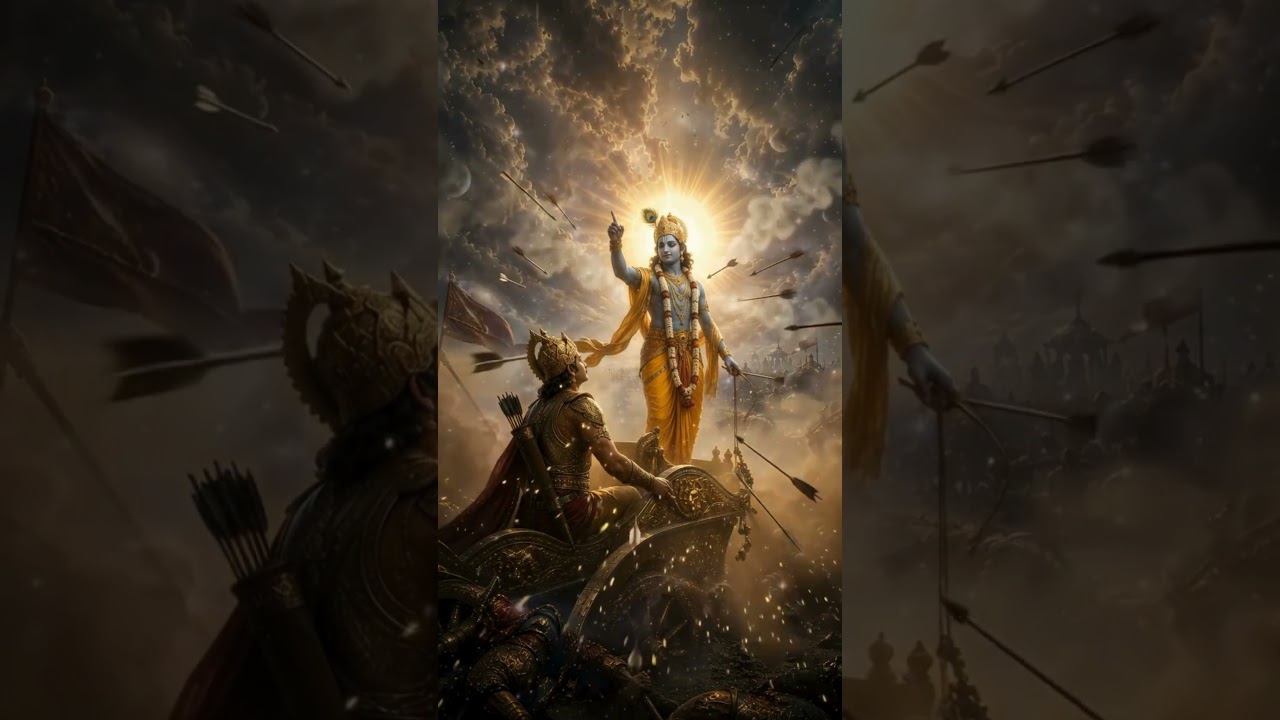
In Braj, Holi belongs deeply to Krishna and Radha traditions. The playful throwing of colours becomes part of a larger devotional world of song, teasing, longing and community.
Barsana, Nandgaon, Mathura and Vrindavan each developed distinctive forms. This is why “Holi” can mean very different experiences depending on place.
What do the colours mean?
It is tempting to assign a neat spiritual meaning to every colour, but that is mostly modern interpretation. The more historically grounded meaning is spring, festivity, play and social participation.
The colour is powerful precisely because it refuses neatness. Once everyone is covered, ordinary visual boundaries become harder to maintain.
How can Holi remain joyful without becoming harmful?
Consent matters. Safe colours matter. Water use matters. Animals, elderly people and anyone who does not want colour should not be treated as obstacles to fun.
A festival of joy loses its meaning when participation is forced.